
土着人民和工业公司关系展望国际讲习班土著人民和工業公司關系展望國際講習班 in English
- International Workshop on Perspectives of Relationships between Indigenous Peoples and Industrial Companies
Character breakdown
- 土 earth
- 着著 a move in chess (Taiwan pr. [zhuo2])
- 人 person
- 民 (bound form) the people
- 和 to complete a set in mahjong or playing …
- 工 work
- 业業 line of business
- 公 public
- 司 to take charge of
- 关關 mountain pass
- 系繫 to connect
- 展 to spread out
- 望朢 15th day of month (lunar calendar)
- 国國 country
- 际際 border
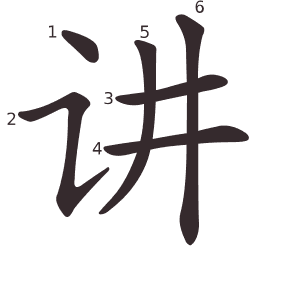
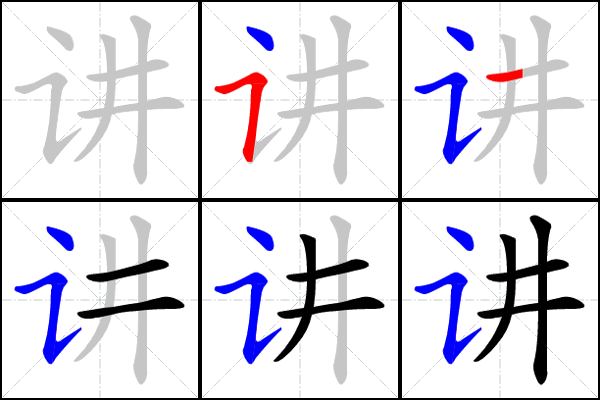
- 讲講 to speak
- 习習 (bound form) to practice
- 班 team
Stroke order

 Show the animation
 Stroke data from Make Me a Hanzi, derived from the Arphic PL fonts under the Arphic Public License.

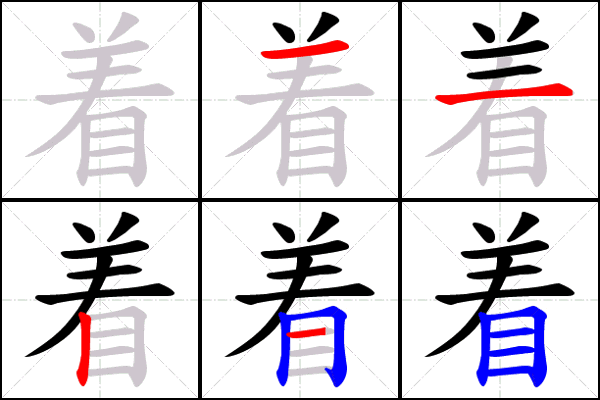 Show the animation
 Show the animation
 Stroke data from Make Me a Hanzi, derived from the Arphic PL fonts under the Arphic Public License.
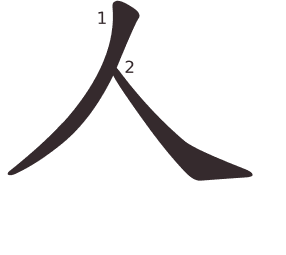
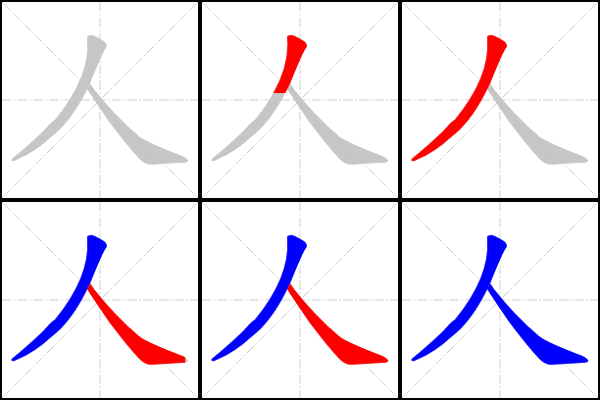 Show the animation
 Stroke data from Make Me a Hanzi, derived from the Arphic PL fonts under the Arphic Public License.
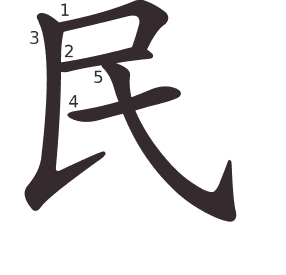
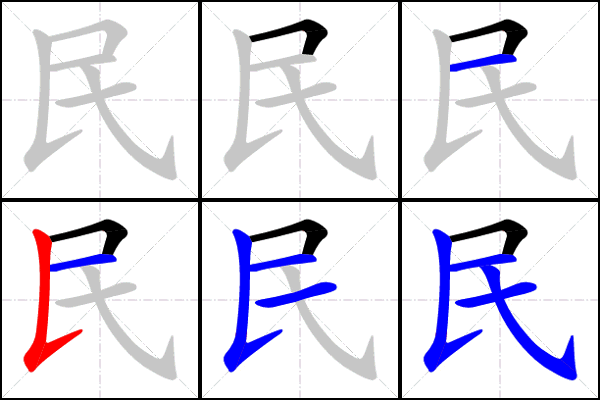 Show the animation
 Stroke data from Make Me a Hanzi, derived from the Arphic PL fonts under the Arphic Public License.
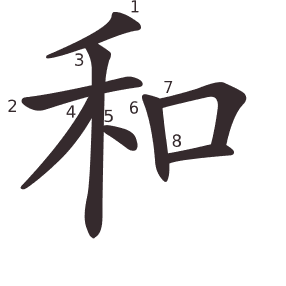
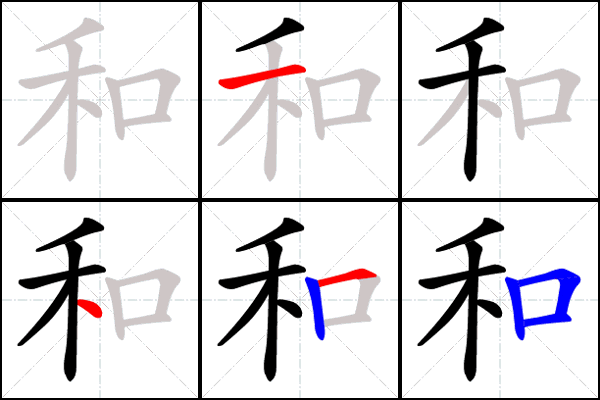 Show the animation
 Stroke data from Make Me a Hanzi, derived from the Arphic PL fonts under the Arphic Public License.

 Show the animation
 Stroke data from Make Me a Hanzi, derived from the Arphic PL fonts under the Arphic Public License.

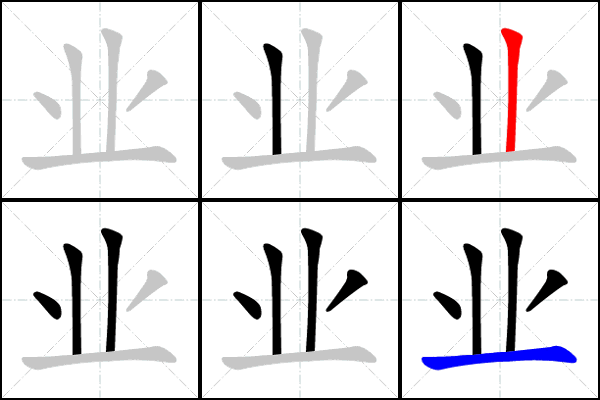 Show the animation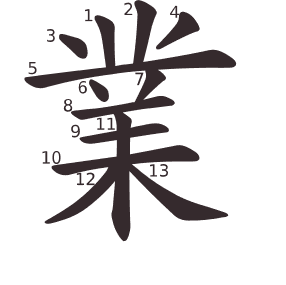
Stroke data from Make Me a Hanzi, derived from the Arphic PL fonts under the Arphic Public License.
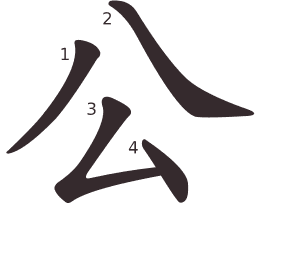
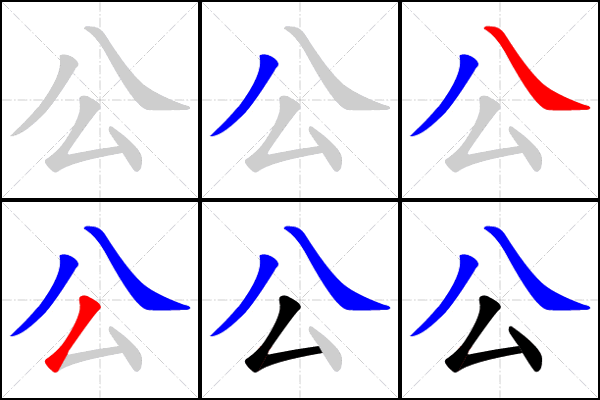 Show the animation
 Stroke data from Make Me a Hanzi, derived from the Arphic PL fonts under the Arphic Public License.
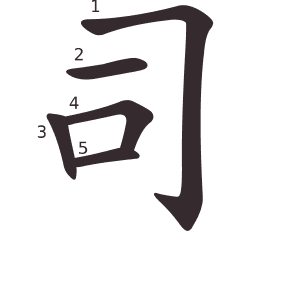
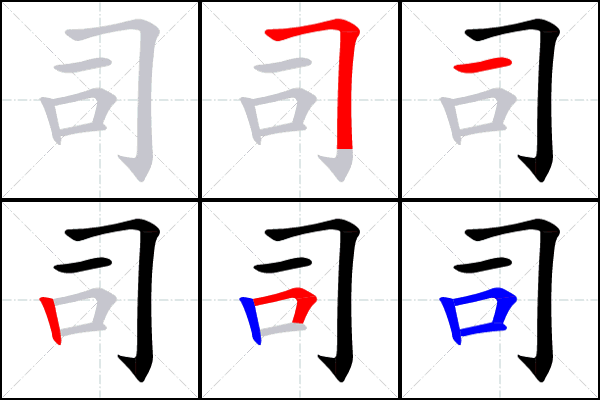 Show the animation
 Stroke data from Make Me a Hanzi, derived from the Arphic PL fonts under the Arphic Public License.

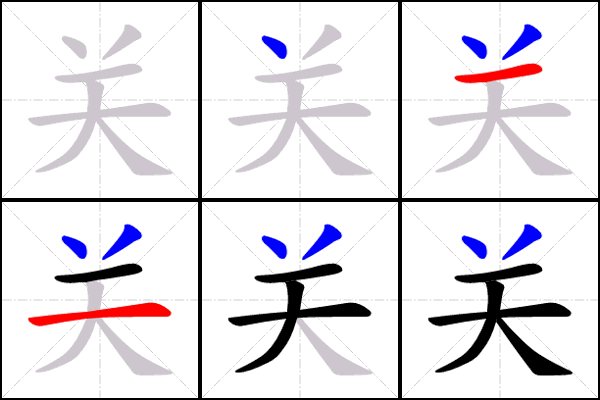 Show the animation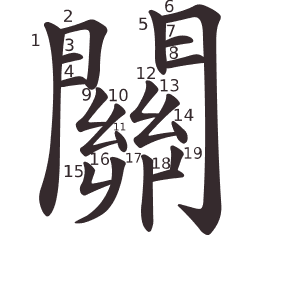
Stroke data from Make Me a Hanzi, derived from the Arphic PL fonts under the Arphic Public License.
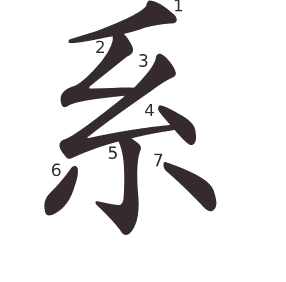
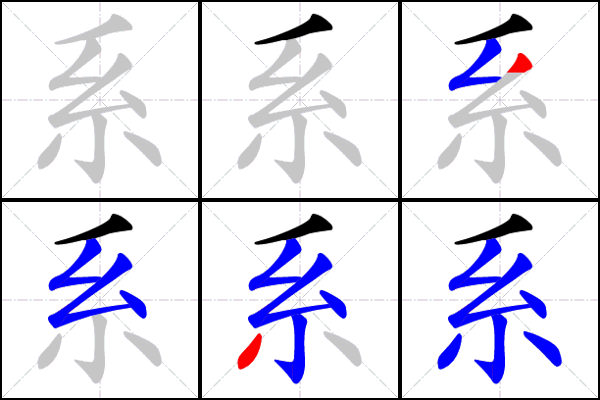 Show the animation
 Stroke data from Make Me a Hanzi, derived from the Arphic PL fonts under the Arphic Public License.
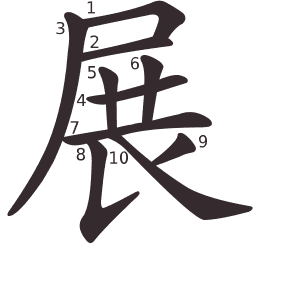
 Show the animation
 Stroke data from Make Me a Hanzi, derived from the Arphic PL fonts under the Arphic Public License.

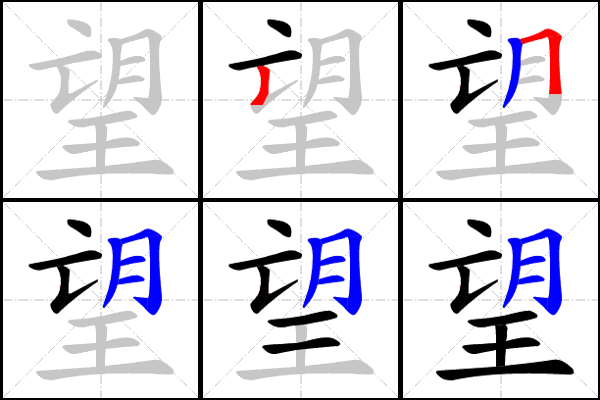 Show the animation
 Stroke data from Make Me a Hanzi, derived from the Arphic PL fonts under the Arphic Public License.

 Show the animation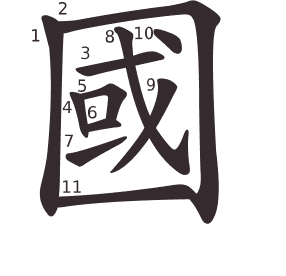
Stroke data from Make Me a Hanzi, derived from the Arphic PL fonts under the Arphic Public License.

 Show the animation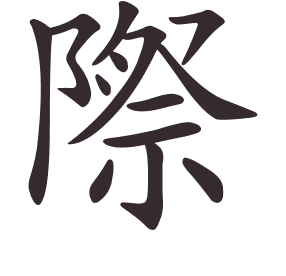
Stroke data from Make Me a Hanzi, derived from the Arphic PL fonts under the Arphic Public License.
 Show the animation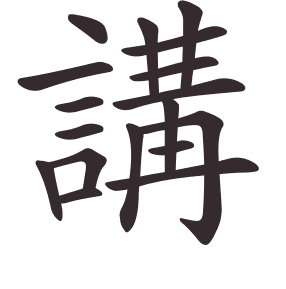
Stroke data from Make Me a Hanzi, derived from the Arphic PL fonts under the Arphic Public License.
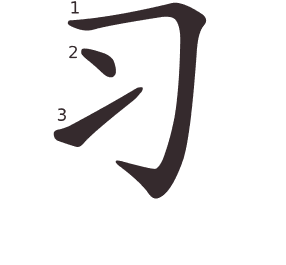
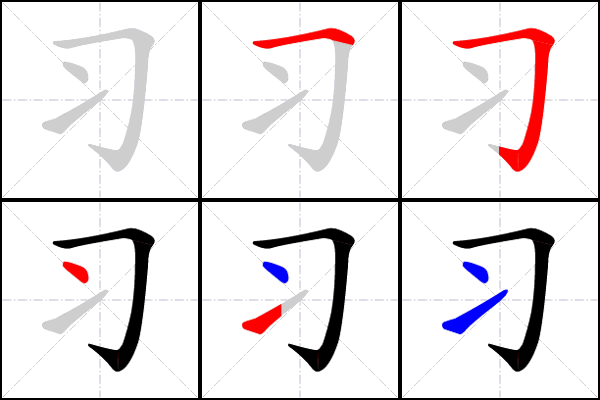 Show the animation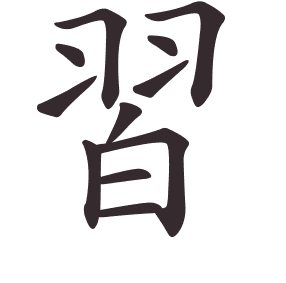
Stroke data from Make Me a Hanzi, derived from the Arphic PL fonts under the Arphic Public License.
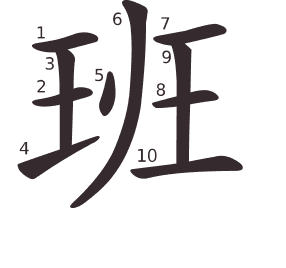
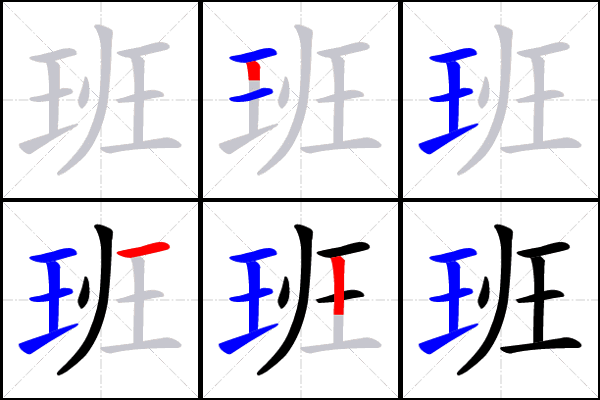 Show the animation
 Stroke data from Make Me a Hanzi, derived from the Arphic PL fonts under the Arphic Public License.
How it used to be written
土
-
 Oracle bone script 商
 -
 Clerical script 東漢
 - See all 13 forms
着
These are the forms of 著, the traditional character: 着 is a twentieth-century simplification, found in no ancient corpus.
-
 Clerical script 東漢
 -
 Clerical script 曹魏
人
-
 Oracle bone script 商
 -
 Clerical script 東漢
 - See all 19 forms
民
-
 Oracle bone script 商
 -
 Clerical script 東漢
 - See all 17 forms
和
-
 Bronze script 戰國晚期.晉
 -
 Clerical script 東漢
 - See all 11 forms
工
-
 Oracle bone script 商
 -
 Clerical script 東漢
 - See all 17 forms
业
These are the forms of 業, the traditional character: 业 is a twentieth-century simplification, found in no ancient corpus.
-
 Bronze script 西周中期
 -
 Clerical script 東漢
 - See all 11 forms
公
-
 Oracle bone script 商
 -
 Clerical script 東漢
 - See all 20 forms
司
-
 Oracle bone script 商
 -
 Clerical script 東漢
 - See all 14 forms
关
These are the forms of 關, the traditional character: 关 is a twentieth-century simplification, found in no ancient corpus.
-
 Bronze script 戰國.齊
 -
 Clerical script 東漢
 - See all 11 forms
系
-
 Oracle bone script 商
 -
 Clerical script 東漢
 - See all 14 forms
展
-
 Small seal script
 -
 Clerical script 東漢
 - See all 5 forms
望
-
 Oracle bone script 商
 -
 Clerical script 西晉
 - See all 19 forms
国
These are the forms of 國, the traditional character: 国 is a twentieth-century simplification, found in no ancient corpus.
-
 Bronze script 西周早期
 -
 Clerical script 東漢
 - See all 13 forms
际
These are the forms of 際, the traditional character: 际 is a twentieth-century simplification, found in no ancient corpus.
-
 Small seal script
 -
 Clerical script 東漢
 - See all 3 forms
讲
These are the forms of 講, the traditional character: 讲 is a twentieth-century simplification, found in no ancient corpus.
-
 Small seal script
 -
 Clerical script 曹魏
 - See all 3 forms
习
These are the forms of 習, the traditional character: 习 is a twentieth-century simplification, found in no ancient corpus.
-
 Oracle bone script 商
 -
 Clerical script 東漢
 - See all 10 forms
班
-
 Bronze script 西周早期
 -
 Clerical script 曹魏
 - See all 9 forms
Forms, sources and dates: the 字形演變 database of 小學堂, Academia Sinica, public domain (CC0).