
Chinese festivals
-
New Year
-

Laba Festival
-
Chinese New Year
-
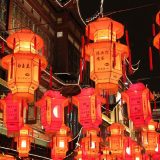
Lantern Festival
-

Longtaitou
-
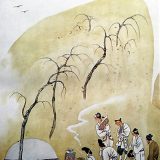
Qingming Festival
-
Labor Day
-

Dragon Boat Festival
-

Qixi Festival
-
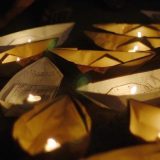
Ghost Festival
-
Mid-Autumn Festival
-
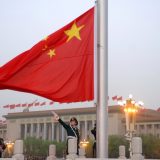
National Day
-
Double Ninth Festival
-
Festival calendar


Other festivals and celebrations


Three calendars for a single year
Chinese festivals do not all follow the same calendar, and that is what throws people who look up a date. Most follow the traditional lunisolar calendar, so they slide from one Gregorian year to the next: Chinese New Year falls between 21 January and 20 February, the Mid-Autumn Festival between 7 September and 8 October. Others are fixed by administrative decision and never move, such as National Day on 1 October.
One case belongs to neither family, and it is the most interesting: Qingming, the day when families sweep the graves of their ancestors. It follows neither the moon nor a decree, but the sun. It is one of the twenty-four solar terms of the agricultural calendar, which cut the year according to the apparent course of the sun, and it therefore returns at the very beginning of April with the regularity of an equinox.
The great festivals of the year are few, and each has its figure. New Year, or the Spring Festival, is by far the first: fifteen days of celebration that close at the Lantern Festival, and the largest annual human migration in the world. Then come Qingming in spring, the Dragon Boat Festival at the start of summer, the lovers’ festival that tells of the Cowherd and the Weaver Girl, and the Mid-Autumn Festival in autumn. These traditional festivals were not always public holidays: Qingming, the dragon boats and mid-autumn only became so in 2008.