
养儿代老,积谷防饥 in English
- (idiom) Raise a son to have support in old age, and store grain to guard against famine. More broadly, it refers to preparing for future needs.
Character breakdown
Stroke order
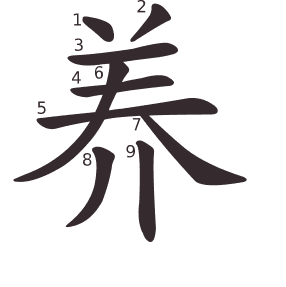
 Show the animation
 Stroke data from Make Me a Hanzi, derived from the Arphic PL fonts under the Arphic Public License.
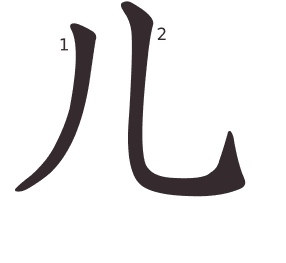
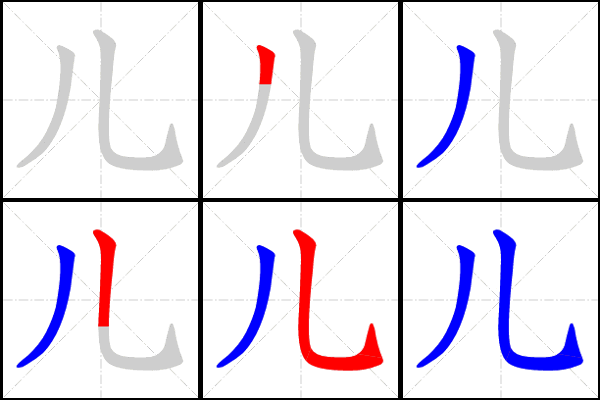 Show the animation
 Stroke data from Make Me a Hanzi, derived from the Arphic PL fonts under the Arphic Public License.
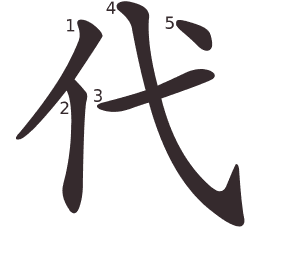
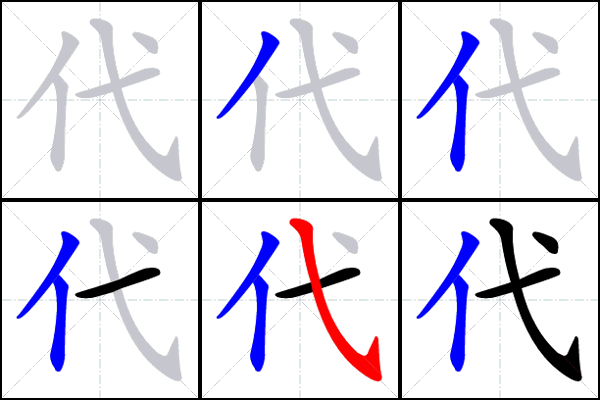 Show the animation
 Stroke data from Make Me a Hanzi, derived from the Arphic PL fonts under the Arphic Public License.
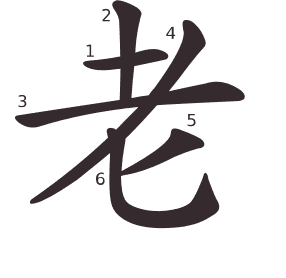
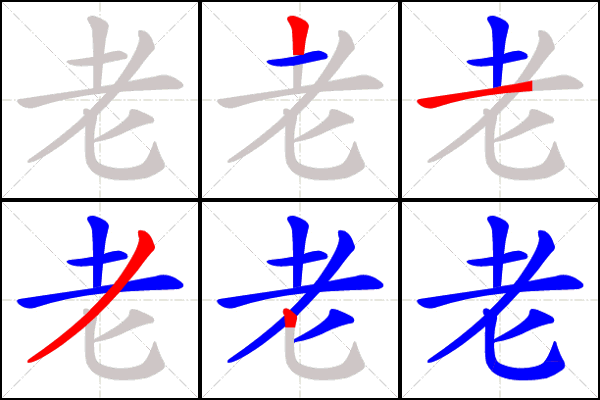 Show the animation
 Stroke data from Make Me a Hanzi, derived from the Arphic PL fonts under the Arphic Public License.
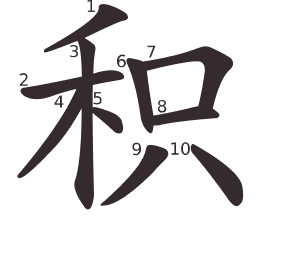
 Show the animation
 Stroke data from Make Me a Hanzi, derived from the Arphic PL fonts under the Arphic Public License.
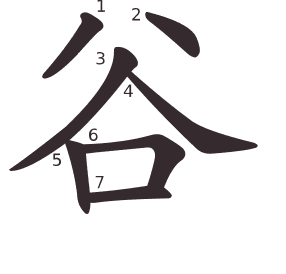
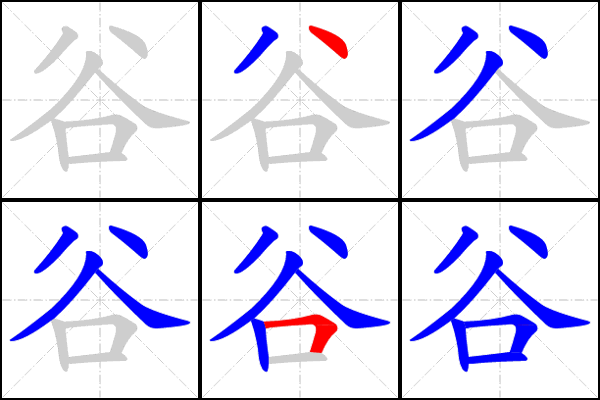 Show the animation
 Stroke data from Make Me a Hanzi, derived from the Arphic PL fonts under the Arphic Public License.

 Show the animation
 Stroke data from Make Me a Hanzi, derived from the Arphic PL fonts under the Arphic Public License.
How it used to be written
养
These are the forms of 養, the traditional character: 养 is a twentieth-century simplification, found in no ancient corpus.
-
 Oracle bone script 商
 -
 Clerical script 東漢
 - See all 11 forms
儿
-
 Small seal script
代
-
 Warring States script 春秋晚期或戰國早期.秦
 -
 Clerical script 東漢
 - See all 9 forms
老
-
 Oracle bone script 商
 -
 Clerical script 西晉
 - See all 22 forms
积
These are the forms of 積, the traditional character: 积 is a twentieth-century simplification, found in no ancient corpus.
-
 Bronze script 商代晚期
 -
 Clerical script 東漢
 - See all 7 forms
谷
-
 Oracle bone script 商
 -
 Clerical script 東漢
 - See all 13 forms
防
-
 Warring States script 戰國.燕
 -
 Clerical script 東漢
 - See all 7 forms
饥
These are the forms of 饑, the traditional character: 饥 is a twentieth-century simplification, found in no ancient corpus.
-
 Small seal script
 -
 Clerical script 東漢
Forms, sources and dates: the 字形演變 database of 小學堂, Academia Sinica, public domain (CC0).