
齿亡舌存
齿亡舌存 in English
- (idiom) The teeth eventually fall out, while the softer tongue remains. It illustrates the idea that rigidity breaks easily, whereas flexibility helps one survive.
Stroke order
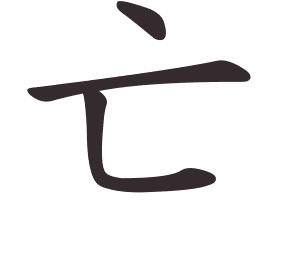
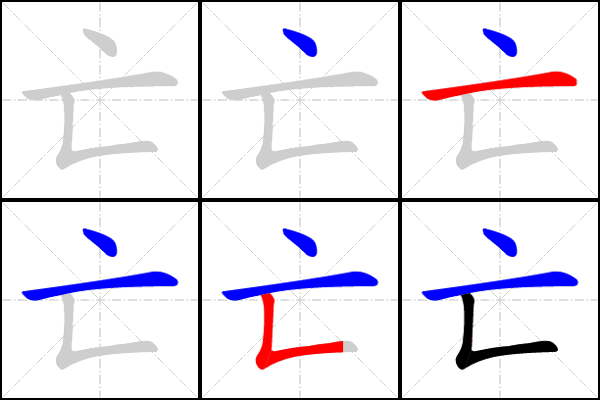 Show the animation
 Stroke data from Make Me a Hanzi, derived from the Arphic PL fonts under the Arphic Public License.

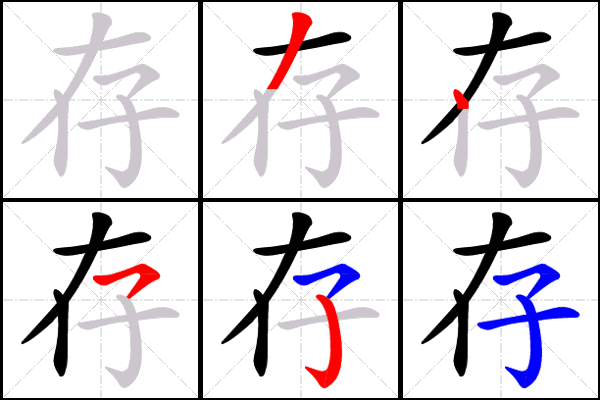 Show the animation
 Stroke data from Make Me a Hanzi, derived from the Arphic PL fonts under the Arphic Public License.
How it used to be written
齿
These are the forms of 齒, the traditional character: 齿 is a twentieth-century simplification, found in no ancient corpus.
-
 Oracle bone script 商
 -
 Clerical script 東漢
 - See all 18 forms
亡
-
 Oracle bone script 商
 -
 Clerical script 東漢
 - See all 13 forms
舌
-
 Oracle bone script 商
 -
 Clerical script
 - See all 10 forms
存
-
 Small seal script
 -
 Clerical script 東漢
 - See all 6 forms
Forms, sources and dates: the 字形演變 database of 小學堂, Academia Sinica, public domain (CC0).