
看
看 in English
- to look after / to take care of / to watch / to guard
- to see / to look at / to read / to watch / to visit / to call on / to consider / to regard as / to look after / to treat (a patient or illness) / to depend on / to feel (that) / (after a verb) to give it a try / to watch out for
Measure word
Stroke order

 Show the animation
 Stroke data from Make Me a Hanzi, derived from the Arphic PL fonts under the Arphic Public License.
How it used to be written
-
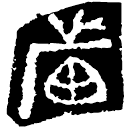 Warring States script 戰國.燕
 -
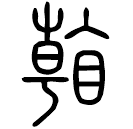 Small seal script
 - See all 3 forms
Forms, sources and dates: the 字形演變 database of 小學堂, Academia Sinica, public domain (CC0).
Examples
-
很多人学日语是为了看漫画。
Many people study Japanese so they can read manga.
-
“上周你看电视了吗?”“没有,我没看。”
"Did you watch TV last week?" "No, I didn't."
-
“你什么时候回来?”“这都要看天气。”
"When will you come back?" "It all depends on the weather."
-
“你对市长选举怎么看?”“我不知道。”
"What do you think of the election for mayor?" "I don't know."
-
“这看上去很有意思。”Hiroshi说道。
"This looks pretty interesting," Hiroshi says.
-
Davis先生看上去很累。
Mr Davis looks very tired.
-
Emi看上去很幸福。
Emi looks happy.
-
Jimmy经常周末来看我。
Jimmy often comes to see me on weekends.