
日中则移,月满则亏日中則移,月滿則虧 in English
- (idiom) The sun moves westward after reaching noon, and the full moon wanes. It means that anything reaching its peak will eventually decline or turn into its opposite.
Character breakdown
Stroke order
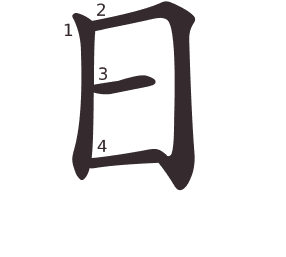
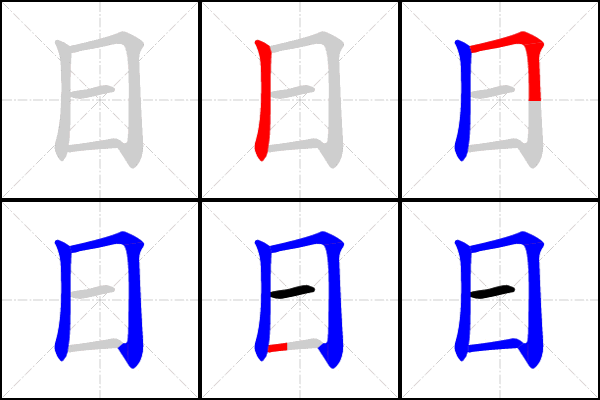 Show the animation
 Stroke data from Make Me a Hanzi, derived from the Arphic PL fonts under the Arphic Public License.
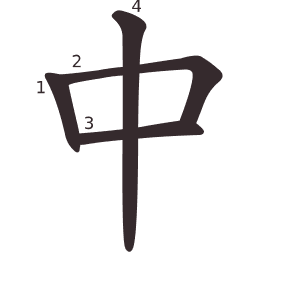
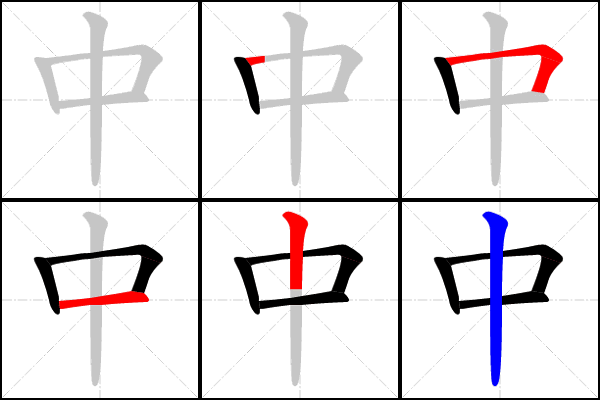 Show the animation
 Stroke data from Make Me a Hanzi, derived from the Arphic PL fonts under the Arphic Public License.
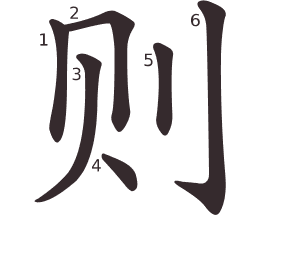
 Show the animation
Stroke data from Make Me a Hanzi, derived from the Arphic PL fonts under the Arphic Public License.
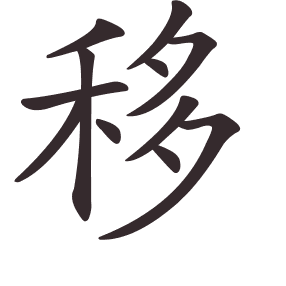
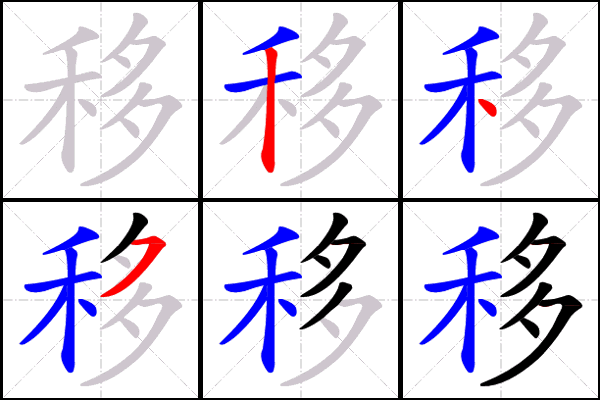 Show the animation
 Stroke data from Make Me a Hanzi, derived from the Arphic PL fonts under the Arphic Public License.
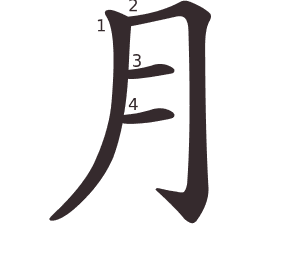
 Show the animation
 Stroke data from Make Me a Hanzi, derived from the Arphic PL fonts under the Arphic Public License.
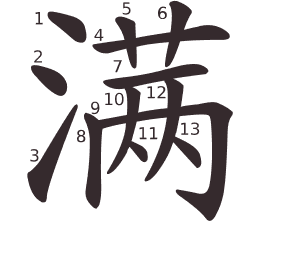
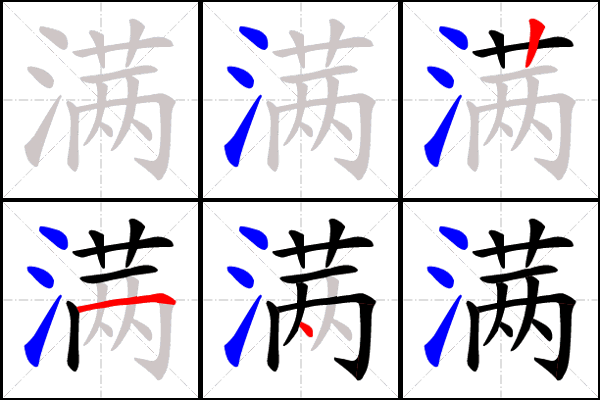 Show the animation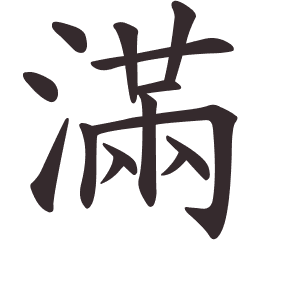
Stroke data from Make Me a Hanzi, derived from the Arphic PL fonts under the Arphic Public License.
How it used to be written
日
-
 Oracle bone script 商
 -
 Clerical script 東漢
 - See all 19 forms
中
-
 Oracle bone script 商
 -
 Clerical script 東漢
 - See all 30 forms
则
These are the forms of 則, the traditional character: 则 is a twentieth-century simplification, found in no ancient corpus.
-
 Bronze script 西周中期
 -
 Clerical script 東漢
 - See all 24 forms
移
-
 Small seal script
 -
 Clerical script 東漢
 - See all 5 forms
月
-
 Oracle bone script 商
 -
 Clerical script 東漢
 - See all 17 forms
满
These are the forms of 滿, the traditional character: 满 is a twentieth-century simplification, found in no ancient corpus.
-
 Warring States script 戰國.秦
 -
 Clerical script 東漢
 - See all 7 forms
亏
These are the forms of 虧, the traditional character: 亏 is a twentieth-century simplification, found in no ancient corpus.
-
 Small seal script
 -
 Clerical script 東漢
 - See all 5 forms
Forms, sources and dates: the 字形演變 database of 小學堂, Academia Sinica, public domain (CC0).