
摸着石头过河摸著石頭過河 in English
- to wade across the river, feeling for footholds as one goes (idiom) / to advance cautiously, step by step / to feel one's way forward
Character breakdown
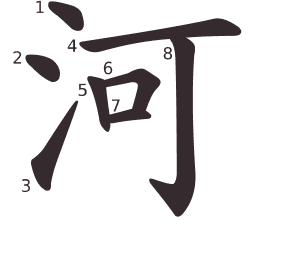
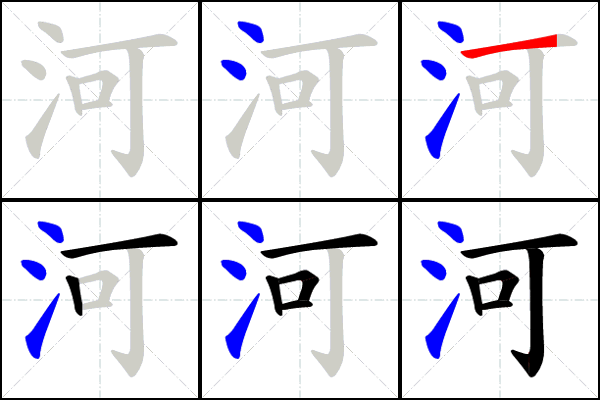
Stroke order
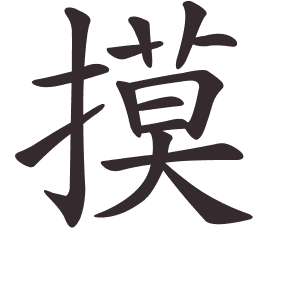
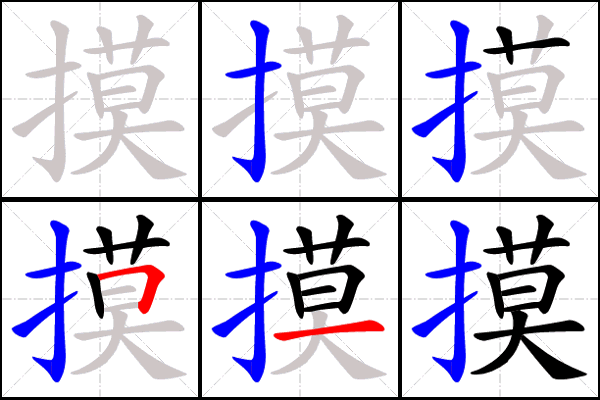 Show the animation
 Stroke data from Make Me a Hanzi, derived from the Arphic PL fonts under the Arphic Public License.

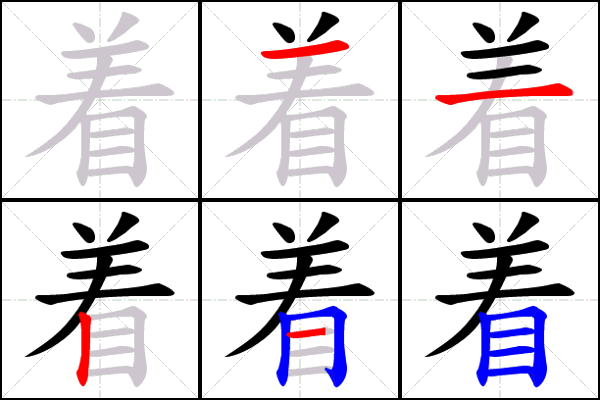 Show the animation
 Show the animation
 Stroke data from Make Me a Hanzi, derived from the Arphic PL fonts under the Arphic Public License.

 Show the animation
 Stroke data from Make Me a Hanzi, derived from the Arphic PL fonts under the Arphic Public License.

 Show the animation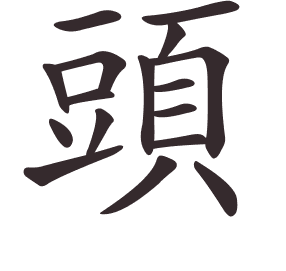
Stroke data from Make Me a Hanzi, derived from the Arphic PL fonts under the Arphic Public License.
 Show the animation
 Stroke data from Make Me a Hanzi, derived from the Arphic PL fonts under the Arphic Public License.
How it used to be written
着
These are the forms of 著, the traditional character: 着 is a twentieth-century simplification, found in no ancient corpus.
-
 Clerical script 東漢
 -
 Clerical script 曹魏
石
-
 Oracle bone script 商
 -
 Clerical script 東漢
 - See all 12 forms
头
These are the forms of 頭, the traditional character: 头 is a twentieth-century simplification, found in no ancient corpus.
-
 Bronze script 春秋晚期
 -
 Clerical script 孫吳
 - See all 9 forms
过
These are the forms of 過, the traditional character: 过 is a twentieth-century simplification, found in no ancient corpus.
-
 Bronze script 西周早期
 -
 Clerical script 東漢
 - See all 15 forms
河
-
 Oracle bone script 商
 -
 Clerical script 東漢
 - See all 16 forms
Forms, sources and dates: the 字形演變 database of 小學堂, Academia Sinica, public domain (CC0).