
假仁纵敌
假仁纵敌 in English
- (idiom) To feign benevolence and let an enemy act unchecked. It later came to refer to excessive indulgence toward wrongdoers, which ultimately causes harm.
Stroke order

 Show the animation
 Stroke data from Make Me a Hanzi, derived from the Arphic PL fonts under the Arphic Public License.
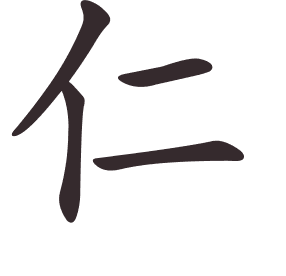
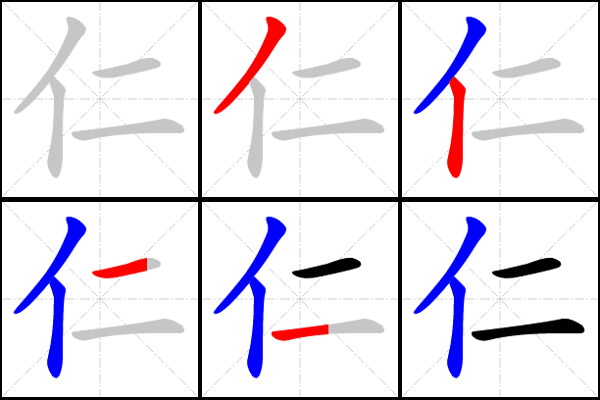 Show the animation
 Stroke data from Make Me a Hanzi, derived from the Arphic PL fonts under the Arphic Public License.

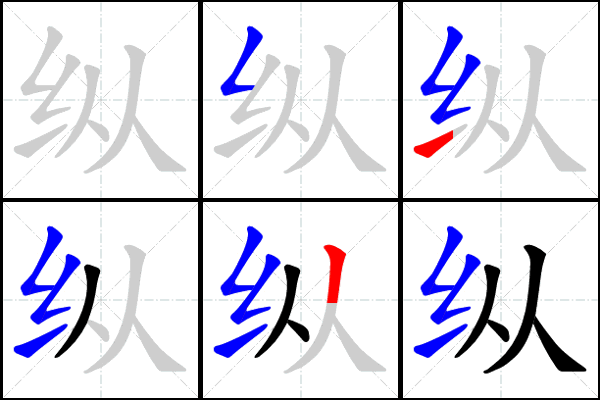 Show the animation
 Stroke data from Make Me a Hanzi, derived from the Arphic PL fonts under the Arphic Public License.
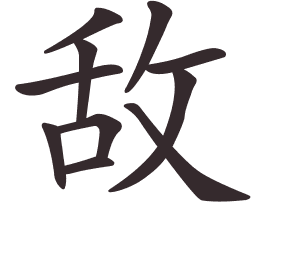
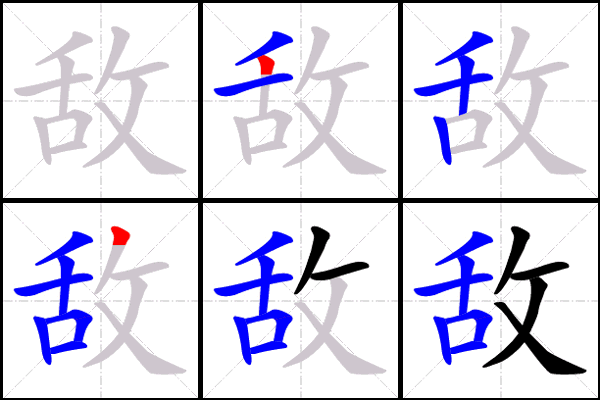 Show the animation
 Stroke data from Make Me a Hanzi, derived from the Arphic PL fonts under the Arphic Public License.
How it used to be written
假
-
 Small seal script
 -
 Clerical script 曹魏
 - See all 7 forms
仁
-
 Bronze script 戰國晚期.晉
 -
 Clerical script 東漢
 - See all 15 forms
纵
These are the forms of 縱, the traditional character: 纵 is a twentieth-century simplification, found in no ancient corpus.
-
 Small seal script
 -
 Clerical script 東漢
 - See all 6 forms
敌
These are the forms of 敵, the traditional character: 敌 is a twentieth-century simplification, found in no ancient corpus.
-
 Bronze script 西周中期
 -
 Clerical script 曹魏
 - See all 7 forms
Forms, sources and dates: the 字形演變 database of 小學堂, Academia Sinica, public domain (CC0).